

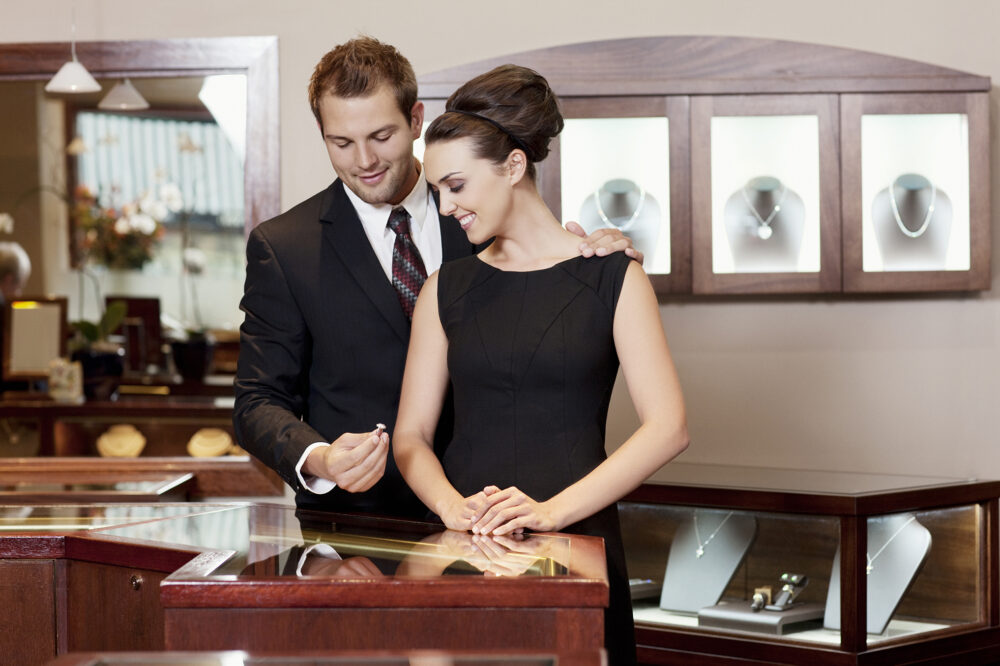
Valentine’s Day is one of the biggest seasonal drivers for jewelry sales, and retailers who align shopping experiences with evolving consumer habits will lead the pack. In fact, retail analysts, including Chain Store Age, report that Valentine’s Day spending is expected to set new records this year, with consumers ready to splurge across gift categories, including jewelry.
NRF data confirms this momentum: total Valentine’s Day spending is projected to reach a record $29.1 billion in 2026, with shoppers budgeting an average of $199.78 for gifts, and jewelry remains a key category. At the same time, NRF highlights a steady rise in digital discovery, mobile browsing, and buy-online-pick-up-in-store behavior. Together, these signals point to one clear takeaway: jewelry retailers must align trends, technology, and omnichannel strategy to win Valentine’s Day in 2026.
1. Experience-Driven Jewelry Gifting Takes Center Stage
In 2026, shoppers will not just buy jewelry. They will buy stories, emotions, and experiences.
Consumers want gifts that feel personal. They want engraved messages, curated collections, and guided selling—both online and in-store. Jewelry retailers that invest in clienteling tools and assisted selling technology will stand out.
What this means for retailers:
- Use CRM data to personalize recommendations
- Enable associates with tablets or mobile POS for storytelling
- Provide virtual consultations alongside in-store appointments
When experience meets technology, conversion improves across every touchpoint.
2. Omnichannel Shopping Is the Default, Not a Bonus
Valentine’s Day shoppers move fast. They browse on mobile, compare online, and expect instant fulfillment. In 2026, an omnichannel retail strategy will define success.
Shoppers may discover a ring on Instagram, check availability online, and pick it up in-store the same Day. Jewelry retailers must ensure inventory accuracy and real-time visibility across channels.
Key omnichannel capabilities to prioritize:
- Unified inventory across stores and ecommerce
- Buy online, pick up in-store (BOPIS) and curbside options
- Endless aisle for extended assortments
Retailers that remove friction will win last-minute Valentine’s Day buyers.
3. Personalization Powered by Retail Technology
Personalization will drive Valentine’s Day trends in jewelry more than ever in 2026. But manual personalization will not scale.
Retail technology makes personalization practical. AI-driven recommendations, customer purchase history, and loyalty insights help retailers deliver relevant offers at the right moment.
Smart personalization ideas for Valentine’s Day:
- Gift guides based on past purchases
- Targeted promotions for repeat customers
- Personalized emails and SMS reminders before the holiday
When data works behind the scenes, shoppers feel understood—not marketed to.
4. Ethical and Transparent Jewelry Matters More
Modern shoppers care deeply about values. Sustainability, ethical sourcing, and transparency will influence Valentine’s Day buying decisions in 2026.
Jewelry retailers should clearly communicate material origins, sourcing practices, and certifications across digital and physical channels.
How technology supports transparency:
- Product-level data available online and in-store
- QR codes linking to sourcing details
- Centralized product information management (PIM)
Trust builds loyalty. Loyalty drives long-term growth.
5. Mobile-First Engagement Shapes Valentine’s Day Sales
Mobile will continue to dominate Valentine’s Day shopping journeys. From discovery to checkout, smartphones guide decisions.
Retailers should focus on fast mobile experiences, easy checkout, and consistent branding across devices.
Mobile-focused priorities for 2026:
- Mobile-optimized ecommerce experiences
- Mobile POS for faster in-store checkout
- SMS campaigns for last-minute gifting
Speed and simplicity matter most when emotions—and deadlines—run high.
6. Data-Driven Merchandising and Inventory Planning
Valentine’s Day demand can spike without warning. In 2026, jewelry retailers must rely on data, not instincts.
Advanced retail systems help forecast demand, manage stock, and avoid missed sales opportunities.
Retail tech advantages include:
- Demand forecasting based on past Valentine’s Day trends
- Automated replenishment for best-selling SKUs
- Real-time sales reporting across channels
Better data leads to better decisions—and higher margins.
Preparing for Valentine’s Day 2026 Starts Now
Valentine’s Day trends in 2026 point to one clear direction. Jewelry retailers must blend emotional storytelling with powerful retail technology. Omnichannel execution, personalization, and data-driven operations will separate leaders from laggards.
Retailers that modernize today will not only win Valentine’s Day. They will build stronger customer relationships for the entire year.
How ChainDrive Jewelry Store Management Software Boosts Valentine’s Day Sales
Seasonal peaks like Valentine’s Day require speed, accuracy, and seamless operations. ChainDrive Jewelry Store Management Software helps jewelry retailers maximize sales with:
- Real-time inventory across stores and online
- Omnichannel fulfillment: BOPIS, ship-from-store, and online orders
- Serialized tracking for high-value items
- Personalized customer experiences via CRM and clienteling tools
- Promotion and custom order management in one system
- Faster checkout and staff productivity
With ChainDrive, retailers deliver consistent omnichannel experiences, manage seasonal rushes, and increase revenue during peak gifting periods.
Ready to Future-Proof Your Jewelry Retail Strategy?
See how an integrated retail ERP and POS solution can help you unify channels, personalize experiences, and maximize Valentine’s Day sales.
Request a demo today and prepare your jewelry business for Valentine’s Day 2026 and beyond.