

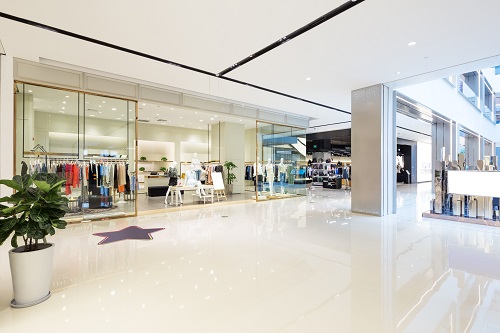
Inflation continues to challenge retailers, slowing sales and changing consumer behavior. As prices rise for essentials like groceries and gas, shoppers are becoming more price-sensitive. According to the National Retail Federation (NRF), nearly half of consumers are opting for cheaper alternatives and seeking sales and coupons. So, how to deal with inflation in retail?
Retailers face increased demand as the economy reopens, but rising interest rates and diminished purchasing power are causing consumer demand to decline. To navigate this, retailers must streamline operations, build customer loyalty, and drive profitable growth. Here’s how retail businesses can tackle inflation and turn these challenges into opportunities.
1. Revisitez votre stratégie de catégorie
Le comportement des consommateurs évolue alors que la fidélité à la marque diminue. Beaucoup se tournent vers les produits de marque distributeur pour économiser de l'argent. Les détaillants doivent ajuster leurs stratégies de catégorie pour répondre à ces changements. Pour tirer parti de ce changement, concentrez-vous sur l'équilibre entre les marques nationales et les marques de distributeur tout en maintenant la notoriété et la fidélité des clients.
Conseil pratique: Réévaluez votre assortiment de produits et adaptez-vous aux pressions inflationnistes dans les catégories clés. Cela vous aidera à rester compétitif et à répondre aux attentes des clients sensibles aux prix.
2. Améliorez la visibilité de la chaîne d'approvisionnement
L'inflation impacte les coûts de la chaîne d'approvisionnement. Les détaillants peuvent optimiser leurs réseaux en utilisant des ports à faible congestion et en réduisant les frais de transport. En améliorant la visibilité sur les stocks et la réalisation des commandes, vous pouvez mieux équilibrer les coûts et l'expérience client.
Conseil pratique: Reevaluate your distribution and shipping models to ensure efficient, cost-effective delivery and optimize stock levels to avoid supply shortages.
3. Monitor Competitors and Inventory
During inflationary periods, competition becomes fierce. Consumers are increasingly switching brands based on pricing. Therefore, it’s crucial to monitor competitor pricing and promotions. Additionally, keep inventory levels in check to avoid stockouts, which could lead to loss of customer loyalty.
Conseil pratique: Track competitor prices and adjust your inventory management to ensure that your shelves remain stocked with in-demand products.
4. Focus on Customer-Centric Experiences
Even with rising prices, customer experience remains essential. Retailers can offer value through tailored pricing and promotions. Instead of raising prices across the board, adjust strategies based on customer segments and product types.
Conseil pratique: Use targeted pricing strategies and personalized promotions to retain customer trust and loyalty without alienating price-sensitive shoppers.
5. Leverage Next-Gen Sourcing Tools
To combat rising production costs, retailers can use next-gen sourcing tools for both branded and private-label products. These tools provide real-time visibility into raw material costs, enabling you to adjust your pricing and product offerings accordingly.
Conseil pratique: Deploy digital sourcing models to track input cost changes and optimize product design to keep prices competitive.
6. Streamline Store Operations
Inflation can also drive up labor costs. Retailers can address this by improving operational efficiency through technology and analytics. Adjust staffing schedules and implement labor-saving technologies to reduce costs while maintaining service quality.
Conseil pratique: Invest in employee retention strategies and rethink in-store operations to boost productivity and lower overhead.
7. Explore Digital Sales Channels and Payment Methods
Avec la montée de site de commerce électronique , retailers should consider expanding digital sales channels like social media, eCommerce platforms, and buy online, pick up in-store (BOPIS). Additionally, new payment methods, such as buy-now, pay-later, offer consumers flexibility and convenience during high-inflation periods.
Conseil pratique: Use digital channels and flexible payment options to attract a broader customer base and drive sales without relying on foot traffic
Use EcomDrive Logiciel de commerce électronique – It’s an all-in-one back-office system built for web retailers.
8. Address Wage Increases and Staff Retention
As wages rise due to inflation, retaining talent becomes more difficult. Retailers should adjust pay rates to remain competitive and retain staff. This not only boosts employee morale but also enhances brand perception and customer service.
Conseil pratique: Offer competitive wages and invest in training programs to reduce turnover and maintain high service standards.
9. Set Up an Inflation “Win Room”
To effectively manage inflation’s impact, retailers should create an agile, cross-functional team to coordinate responses. This “win room” can streamline decision-making, track performance, and ensure timely adjustments to strategies.
Conseil pratique: Establish a cross-functional team to monitor inflation’s effects and implement quick, data-driven decisions across departments.
10. Stay Informed
Tracking inflation trends and their impact on retail is essential. Stay updated with reports from trusted sources such as the U.S. Bureau of Labor Statistics (BLS), NRF, and McKinsey. Staying informed will allow you to make proactive, strategic decisions.
Conseil pratique: Regularly consult industry resources and subscribe to blogs to stay ahead of inflation trends and better navigate the evolving retail landscape.
Conclusion: Turning Inflation Challenges into Opportunities
L'inflation présente des défis importants pour les détaillants, mais elle ouvre également des opportunités pour ceux qui agissent de manière décisive. En se concentrant sur l'efficacité, l'expérience client et l'innovation, les détaillants peuvent non seulement traverser la tempête, mais en sortir renforcés. Adopter une approche holistique et tirer parti d'outils tels que les solutions de commerce unifié peut aider les entreprises à rester résilientes et à croître malgré les pressions économiques.
ChainDrive Solutions de gestion de vente au détail peut soutenir vos efforts pour faire face à l'inflation. Prêt à développer les bonnes stratégies pour surmonter ces défis ? Demandez une démonstration en direct gratuite avec notre équipe aujourd'hui !