

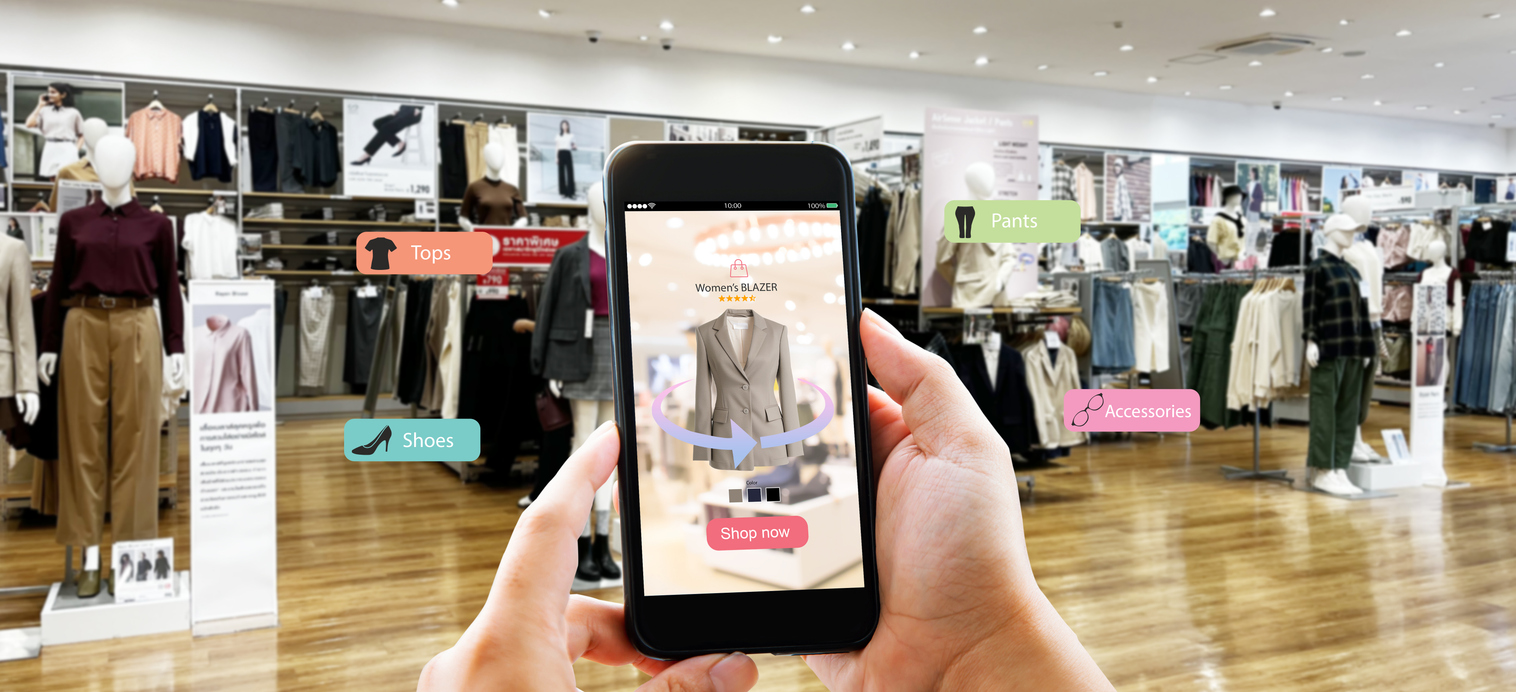
Retail is changing faster than ever. In 2026, technology won’t just support business—it will transform it. At the same time, evolving consumer behavior, rapid digital innovation, and rising data-driven expectations are rewriting the rules of engagement. As a result, retailers that follow emerging retail technology trends will win loyalty, improve efficiency, and unlock new growth opportunities.
According to the National Retail Federation (NRF), digital touchpoints now influence most purchase decisions—even when the final transaction happens in a physical store. NRF insights consistently show that retailers with connected systems, real-time visibility, and data-driven decision-making outperform peers in both profitability and customer loyalty. As 2026 approaches, these advantages become essential.
Based on how consumer behavior, technology, and retail operations are evolving, these are the tech-driven shifts shaping the next phase of retail.
1. AI Moves from Insight to Action
AI has moved well beyond reporting and forecasting. In 2026, it actively drives decisions—making this one of the most impactful retail technology trends to watch.
Retailers increasingly rely on AI to:
- Anticipate demand and rebalance inventory
- Adjust pricing and promotions dynamically
- Trigger replenishment before stockouts occur
- Personalize experiences in real time
Most importantly, the real shift lies in execution. AI now connects insights directly to action across merchandising, supply chain, and store operations.
Why it matters: As a result, faster, automated decisions protect margins and reduce dependency on manual intervention—especially in high-SKU environments.
2. Searchless Commerce Redefines Product Discovery
Today, shopping no longer starts with a search bar.
Instead, AI-driven systems predict shopper intent and proactively surface relevant products. In addition, voice tools, conversational interfaces, and recommendation engines are replacing traditional discovery paths. To keep pace with these retail technology trends, retailers must structure product data cleanly and consistently so AI can accurately interpret and act on it.
Why it matters: Reducing friction in discovery improves conversion and keeps shoppers engaged across channels.
3. Unified Commerce Becomes the Retail Operating Model
Meanwhile, omnichannel strategies continue to mature into unified commerce platforms.
In 2026, retailers expect:
- One view of inventory across all locations
- Consistent pricing, promotions, and customer data
- Seamless fulfillment, returns, and exchanges
However, disconnected systems create blind spots that retailers can no longer afford. Unified commerce removes these silos and enables real-time coordination across stores, warehouses, and digital channels.
Why it matters: A single source of truth improves accuracy, speed, and customer satisfaction.
4. Automation Reshapes Store Operations
Automation becomes a foundation, not an experiment.
Retailers deploy automation across:
- Inventory replenishment and allocation
- Workforce scheduling and task execution
- Store fulfillment and order routing
- Mobile checkout and self-service workflows
Instead of replacing associates, automation supports them. Teams spend less time on repetitive tasks and more time serving customers and fulfilling orders efficiently.
Why it matters: Smarter operations improve productivity while keeping stores flexible and service focused.
5. Stores Evolve into Experience and Media Hubs
In parallel, physical stores take on an entirely new role in 2026.
They function as:
- Experience centers
- Fulfillment hubs
- Media and engagement channels
Through digital displays, mobile interactions, and data-driven merchandising, retailers connect physical spaces with digital journeys. As a result, stores no longer compete with ecommerce—they actively complement it.
Why it matters: Experience-led stores strengthen brand relevance and increase shopper engagement.
6. Real-Time Intelligence Replaces Static Reporting
Weekly reports no longer support fast-moving retail environments.
Retail leaders now rely on:
- Live dashboards
- Predictive alerts
- Actionable analytics
Consequently, business intelligence shifts from hindsight to foresight, allowing teams to respond immediately to demand changes, performance gaps, and operational risks.
Why it matters: Real-time visibility enables proactive decisions, not reactive fixes.
7. Sustainability Shifts from Messaging to Business Model
Finally, in 2026, sustainability becomes operational.
Retailers embed it into:
- Inventory planning to reduce overproduction
- Demand forecasting to minimize waste
- Fulfillment optimization to lower emissions
- Circular and resale models supported by data
Here, technology plays a critical role by providing transparency and measurement. As a result, sustainability becomes a measurable business outcome—not just a marketing promise.
Why it matters: Sustainable operations reduce costs, improve resilience, and build long-term trust.
What This Means for Retailers in 2026
Retail success in 2026 depends on how well technology connects strategy to execution. AI, unified commerce, real-time data, and seamless experiences form the backbone of future success.
Winning retailers will:
- Centralize data
- Automate decision-making
- Empower store teams
- Deliver consistent, personalized experiences
Meanwhile, those who delay modernization risk rising costs, lost customers, and growing operational complexity.
Ready to Future-Proof Your Retail Business?
The tech-driven shifts redefining retail in 2026 are already here. The question is how quickly your business can adapt.
See how ChainDrive helps retailers unify commerce, automate operations, and turn data into action.
Request a ChainDrive demo and explore what a connected, future-ready retail operation looks like.